For decades, the word “anti-ageing” has dominated the beauty industry. It appears on creams, serums, supplements, and treatment menus. But in 2026, something is shifting. The language is changing. So is the thinking behind it.
The Global Wellness Summit’s Future of Wellness report identifies skin longevity as one of the defining trends of the year. According to the report, beauty is increasingly being reframed around maintaining skin health, resilience, and regeneration over the long term, rather than reversing visible signs of ageing. The report notes that advances in skin diagnostics, regenerative treatments, biotechnology, and AI-driven analysis are accelerating this shift, with skin positioned as both the body’s largest organ and a marker of overall health.
What Skin Longevity Actually Means
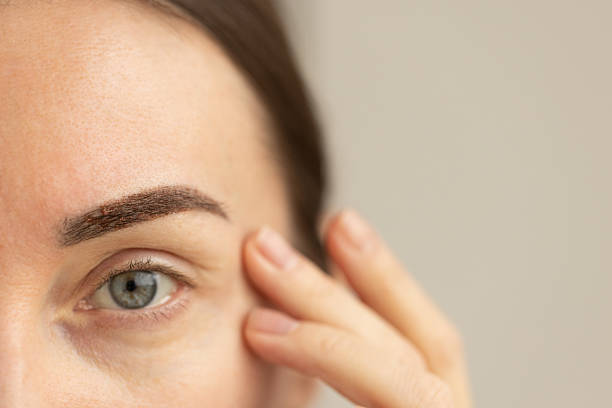
Skin longevity is not a single treatment or product. It is a framework for understanding skin ageing. Instead of asking how to reverse wrinkles or restore lost volume, it asks a different question: how do we preserve the skin’s structure, function, resilience, and ability to repair itself over time?
Dr Mamina Turegano, a board-certified dermatologist, puts it plainly: “Consumers are increasingly interested in things like healthspan, prevention, and maintaining function instead of just simply looking younger”. Dr Mona Gohara uses a house metaphor to explain the difference. Anti-ageing, she says, is “repairing the roof after the leak starts.” Skin longevity is “reinforcing the roof so it withstands the storm in the first place”.
This is why skin longevity is sometimes described as “pro-ageing” rather than “anti-ageing.” It does not treat ageing as an enemy to be fought. It treats ageing as a biological process that can be supported, managed, and slowed — not reversed.
The Science Behind the Shift
The scientific foundation of skin longevity lies in cellular biology. Skin ageing is now understood as a process driven by multiple mechanisms: cellular senescence, mitochondrial dysfunction, chronic inflammation, oxidative stress, and declining extracellular matrix integrity. These mechanisms are influenced by both intrinsic factors — genetics and time — and extrinsic factors such as UV exposure, pollution, and lifestyle.
Mintel’s APAC Beauty and Personal Care Landscape 2026 report introduces a term that captures this new focus: “skinspan.” Skinspan is defined as maintaining skin health, function, and appearance over time — not just addressing visible signs of ageing after they appear. The report highlights that 72% of Thai Gen Z consumers say taking proactive steps for their skin’s future appearance is very important, and that preventive thinking is becoming the dominant logic in skincare.
Mintel’s data also shows that longevity claims are moving from the margins to the mainstream. In global face and neck skincare launches, the share of products making longevity-related claims rose from 1.0% in 2022 to 1.7% in 2024. That may sound modest, but the direction is clear.
What Is Driving the Change
Consumer demand is one driver. Boots Beauty and Wellness Trends Report 2026 found that 80% of UK adults are adopting a preventative approach to beauty routines, while 60% prioritise healthy ageing. Interest in longevity-focused ingredients is rising sharply: collagen sales at Boots increased 62% year on year, and NAD+ searches on boots.com rose 227%.
Clinics are responding. Vogue’s 2026 skincare trend report notes that regeneration now sits at the heart of skincare, with biostimulators — injectables that trigger the skin’s own collagen production — central to this shift. Dr Wassim Taktouk, a London-based aesthetic doctor, told Vogue: “My patients are increasingly focused on the long-term health of their skin and are seeking regenerative treatments that look natural, rather than quick fixes or dramatic changes”.
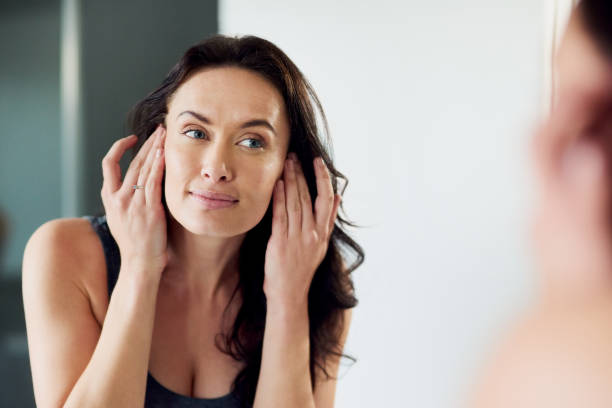
Industry investment is another driver. Global Wellness Summit’s trend analysis notes “unprecedented investment by major beauty companies in longevity science,” with brands moving beyond conventional anti-ageing products toward deeper research into the biology of ageing. In February 2026, L’Oréal launched a new longevity skincare range using senolytic peptide technology targeting senescent cell accumulation in skin tissue.
Market data confirms the scale of the shift. The global skin longevity cosmetics market was valued at approximately $12.8 billion in 2025 and is projected to reach $47.6 billion by 2034, growing at a compound annual growth rate of 15.8%. More than 67% of high-net-worth beauty consumers in North America and Western Europe now cite “cellular health claims” as their primary purchase criterion for prestige skincare — up from just 31% five years ago.
What This Means in Practice
Skin longevity is not a specific treatment. It is a philosophy that changes how treatments are chosen, sequenced, and evaluated.
The most visible change is the shift from volume to biology. Biostimulators such as poly-L-lactic acid are experiencing renewed interest because they work with the skin’s own collagen production rather than adding artificial volume. A 2026 review in the Journal of Cosmetic Dermatology found that particulate collagen biostimulators demonstrate the most consistent evidence for sustained functional remodelling, with poly-L-lactic acid showing the strongest histological support. These treatments produce gradual, natural-looking improvement rather than immediate but potentially unnatural change.
A second change is the shift from single treatments to planned courses with maintenance. Regenerative treatments typically require an accumulation phase followed by periodic maintenance. The results are additive and progressive. This contrasts with the traditional filler model, where a single appointment produces an immediate visible result.
A third change is the shift toward personalisation. Global Wellness Summit’s report notes that skin longevity is driving demand for results-driven, personalised skin programmes rather than one-off corrective treatments. Diagnostic tools that measure cellular stress, mitochondrial function, and barrier quality are emerging to support this personalised approach.
Caution About “Longevity Washing”
The rapid growth of the longevity category has brought a predictable problem: misleading marketing. Industry observers have coined the term “longevity washing” to describe products that borrow the vocabulary of longevity science without carrying the evidence.
A recent analysis from the Fashion Institute of Technology surveyed over 1,600 beauty consumers in the United States and found that only 14% consider specialised longevity vocabulary credible, while 32% dismiss it immediately as a marketing tactic. The study also found that 85% of respondents feel “overwhelmed” by longevity messaging when shopping online, and 56% say brands explain the science of ageing poorly or not at all.
Carolina Reis Oliveira, CEO of biotech skincare company OneSkin, warns that without discipline, longevity could become a diluted buzzword. Trustworthy brands, she says, should be able to explain what ingredients do and “show how impact is actually measured”. Mintel echoes this point, noting that longevity claims will need substantiation through evidence, expert endorsement, or measurable results.
For consumers, this means that the label “longevity” alone means very little. The meaningful question is whether a product or treatment can explain its mechanism, demonstrate its evidence, and show how results are measured.
Conclusion
The rise of skin longevity reflects a broader cultural shift. Consumers are moving away from the idea of fighting ageing and toward the idea of ageing well. They are asking not how to look younger, but how to keep their skin healthy, resilient, and functional for longer.
This shift is supported by real advances in skin biology, diagnostics, and regenerative medicine. It is also being exploited by marketing that borrows the language without the substance. The difference between the two will become increasingly important as the category grows.
For anyone considering aesthetic treatment, the most useful question is not “what will make me look younger?” but “what will support the long-term health of my skin?” That question — and the science behind it — is what skin longevity is really about.